
Vegetables Information
Rapid Grow Global Trade is a trusted exporter and supplier of high-quality agricultural products and essential commodities, including fresh fruits, vegetables, dry fruits, spices, grains, coconuts, and matchboxes. We serve diverse international markets through a strong global network and dependable sourcing practices. Our end-to-end trade solutions cover procurement, quality control, hygienic packaging, documentation, customs clearance, and worldwide shipping. We focus on timely delivery, consistent quality, and complete customer satisfaction, making us a reliable partner in the global supply chain. Whether you’re an importer, wholesaler, or distributor, we ensure smooth logistics under one roof. We specialize in exporting fresh vegetables from India and deliver them efficiently to global destinations. Exporter of the Fresh Vegetables in India. Export fresh vegetables from India.India fresh vegetable shipping
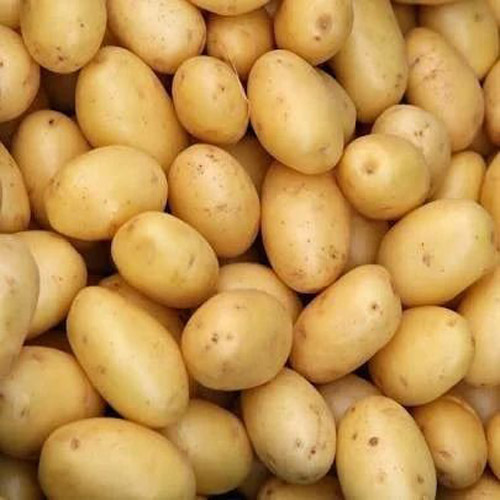
Potato
- India is one of the leading producers of potatoes globally, playing a vital role in meeting both domestic demand and export potential due to its diverse agro-climatic zones.
- Potatoes are a rich source of carbohydrates, dietary fiber, vitamin C, potassium, and antioxidants, making them a staple food with high nutritional and economic value.
- Prominent potato varieties cultivated in India include Kufri Jyoti, Kufri Bahar, Kufri Pukhraj, Kufri Chipsona, and Kufri Sindhuri, each known for specific traits like yield, size, texture, and suitability for processing.
- Major potato-growing states are Uttar Pradesh, West Bengal, Bihar, Punjab, Gujarat, and Madhya Pradesh, where cool temperatures and well-drained loamy soils promote high productivity.
- Potatoes thrive in temperate climates with a growing season during cooler months. In most parts of India, sowing begins in October–November, and harvesting takes place between January and March.
- Key export months: Jan, Feb, Mar, Apr
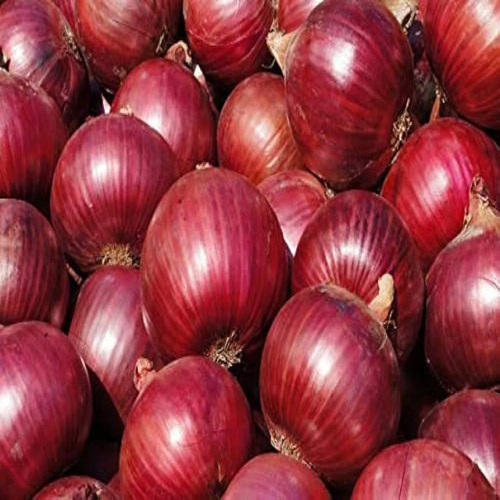
Onion
- India is one of the largest producers and exporters of onions in the world, known for its strong flavor, pungency, and long shelf life.
- Onions are a good source of vitamin C, B6, folate, and antioxidants like quercetin, which contribute to heart health, immune support, and anti-inflammatory benefits.
- Key onion-producing states are Maharashtra, Madhya Pradesh, Karnataka, Gujarat, Bihar, and Rajasthan, where climatic conditions support year-round cultivation across three crop seasons.
• Onions grow well in mild climates with good sunlight and fertile, well-drained loamy soils. India has three onion seasons: Kharif (harvested Oct-Dec), Late Kharif (Jan-Mar), and Rabi (Apr-May), with Rabi contributing the bulk of storage onions. - Indian onions are exported to markets such as Bangladesh, Sri Lanka, Malaysia, United Arab Emirates, Nepal, Indonesia, and the UK, primarily in fresh bulb form.
- Key export months: Feb, Mar, Apr, Sep, Oct, Nov
Tomato
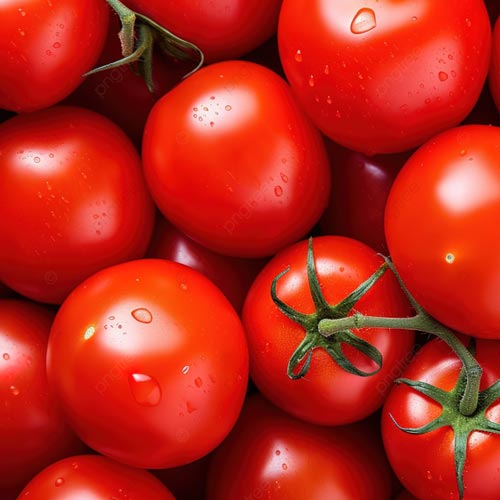
- India is one of the top producers of tomatoes globally, with a wide variety grown for both domestic consumption and international markets.
- Tomatoes are rich in vitamin C, potassium, folate, and the antioxidant lycopene, which supports heart health, skin health, and cancer prevention.
• Popular tomato varieties in India include Pusa Ruby, Arka Vikas, Arka Rakshak, Punjab Chhuhara, and NS 2535, known for their yield, firmness, and shelf life. - Major tomato-growing states include Andhra Pradesh, Madhya Pradesh, Karnataka, Maharashtra, Tamil Nadu, and West Bengal, where favorable soil and temperature conditions support multiple harvests.
- Tomatoes grow best in warm climates with well-drained, fertile soils. They are cultivated in three seasons: Kharif (Jun–Sep), Rabi (Oct–Jan), and Summer (Feb–May), ensuring year-round availability.
- Indian tomatoes are exported to countries such as Bangladesh, Nepal, UAE, Oman, and Maldives, primarily in fresh form, with rising demand for processed products like puree and ketchup.
Green chillie
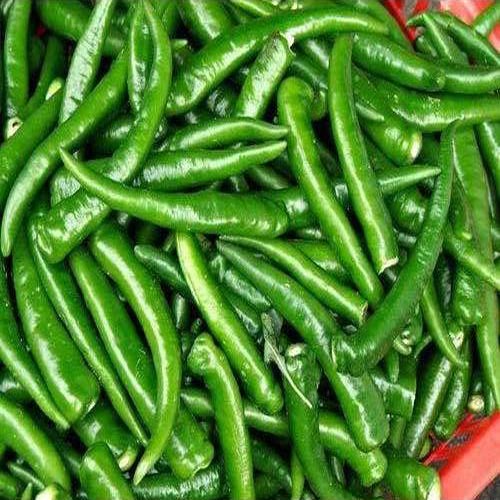
- India is the largest producer and exporter of green chillies in the world, known for its wide variety ranging from mild to extremely pungent types.
- Green chillies are rich in vitamin C, vitamin A, and capsaicin — a compound that aids metabolism, digestion, and provides anti-inflammatory benefits.
- Popular green chilli varieties grown in India include G4, Jwala, Bhaskar, Byadagi (for color), and Pant C-1, valued for their spiciness, flavor, and shelf life.
- Major green chilli-producing states are Andhra Pradesh, Telangana, Karnataka, Madhya Pradesh, Maharashtra, and Tamil Nadu, where warm climates and well-drained soils support high yields.
- Green chillies are grown throughout the year, but main sowing seasons are Kharif (June–July) and Rabi (October–November), with harvesting done 2–3 months after planting.
• Indian green chillies are exported to countries such as Sri Lanka, the UAE, Bangladesh, UK, Malaysia, and Saudi Arabia, primarily in fresh form and sometimes as dried or pickled products.
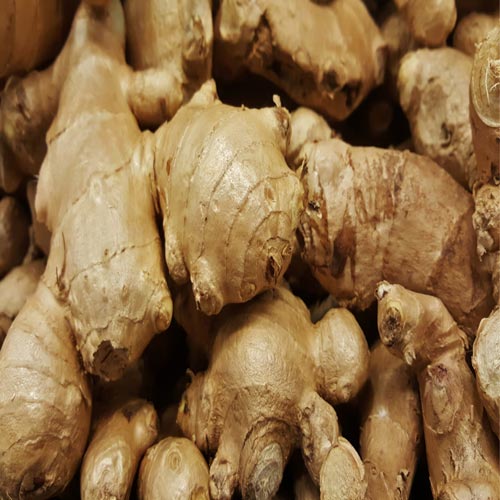
Ginger
- India is one of the largest producers of ginger globally, known for its aromatic and pungent varieties used in culinary, medicinal, and industrial applications.
- Ginger is rich in bioactive compounds like gingerol, which support digestion, reduce inflammation, and strengthen immunity; it’s also a key ingredient in Ayurvedic and herbal medicine.
- Prominent ginger varieties in India include Rio-de-Janeiro, IISR Varada, Suprabha, Suruchi, and HimGiri, each selected for high yield, oil content, and disease resistance.
- Major ginger-growing states are Kerala, Karnataka, Assam, Meghalaya, Arunachal Pradesh, Odisha, and Sikkim, where warm and humid conditions with well-drained soils favor healthy rhizome growth.
- Ginger is typically planted in April–May before the monsoon and harvested after 7–9 months, from December to February, depending on the region and intended use (fresh or dry).
- Indian ginger is exported to countries like Bangladesh, the UAE, USA, Morocco, Saudi Arabia, and Japan, in fresh, dried, powdered, and oil forms, meeting rising demand in global spice and health markets.
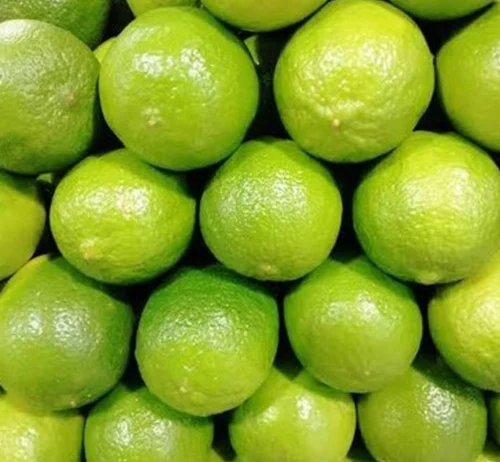
lemon
- India is among the leading producers of lemons and limes, valued for their tangy flavor, refreshing aroma, and versatile use in food, beverages, and traditional medicine.
- Lemons are an excellent source of vitamin C, citric acid, antioxidants, and flavonoids, which support immunity, skin health, and digestion.
- Popular lemon varieties grown in India include Kagzi Kalan, Assam Lemon, Pramalini, Vikram, and Pant Lemon, selected for juice content, thin rind, and extended shelf life.
- Major lemon-growing states are Andhra Pradesh, Maharashtra, Tamil Nadu, Gujarat, Rajasthan, and Assam, where semi-arid to tropical climates with well-drained soils promote healthy yields.
- Lemons are grown year-round in India, with main flowering and harvesting seasons occurring in three flushes: Ambia (Jan–Feb), Mrig (June–July), and Hasta (Sep–Oct).
- Indian lemons are exported to countries such as UAE, Saudi Arabia, Bangladesh, Nepal, UK, and Qatar, primarily as fresh fruit, with rising interest in lemon oil, juice, and pickled products.
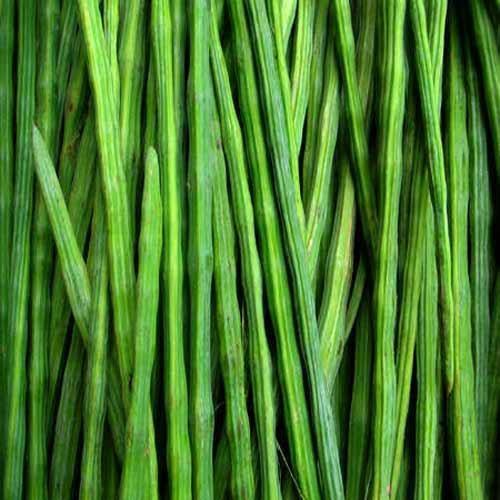
Drumstick
- India is the largest producer and exporter of drumstick (Moringa oleifera), widely valued for its nutritional, medicinal, and agricultural benefits.
- Drumsticks are rich in vitamin C, vitamin A, calcium, iron, and essential amino acids. The pods, leaves, and flowers are all edible and known to boost immunity, digestion, and bone health.
- Popular drumstick varieties in India include PKM-1, PKM-2, Coimbatore-1, Rohit-1, and Bhagya, known for long pods, high yield, and adaptability to different climates.
- Major drumstick-growing states are Tamil Nadu, Andhra Pradesh, Karnataka, Maharashtra, Odisha, and Gujarat, where warm, semi-arid climates and loamy soils support excellent growth.
- Drumstick trees are typically planted in June–July or February–March, depending on region, with harvesting starting in 6–8 months and continuing for several years in perennial varieties.
- Indian drumsticks are exported to countries like the UAE, Sri Lanka, Malaysia, UK, USA, and Singapore, mainly as fresh pods, dried leaves, leaf powder, and Moringa oil due to growing global health demand.
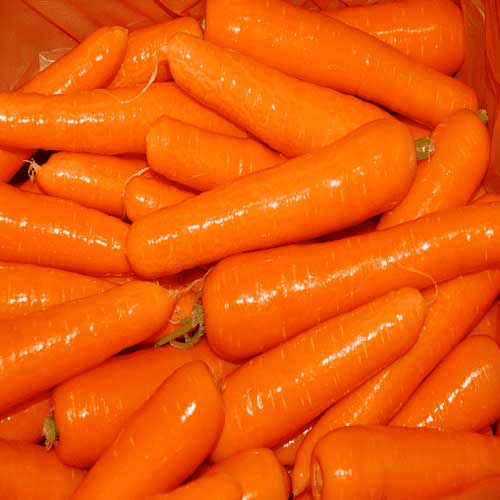
Carrots
- India is a significant producer of carrots, cultivating both tropical and temperate types that are consumed fresh or used in juice, sweets, pickles, and processed products.
- Carrots are rich in beta-carotene (a precursor of vitamin A), vitamin K1, potassium, fiber, and antioxidants, supporting eye health, skin health, and digestion.
- Common carrot varieties grown in India include Pusa Rudhira Red, Pusa Kesar, Pusa Meghali, Nantes, and Hisar Gairic, known for their color, sweetness, and adaptability.
- Major carrot-growing states are Haryana, Punjab, Uttar Pradesh, Karnataka, West Bengal, and Andhra Pradesh, where cool winters and well-drained, sandy loam soils enhance quality.
- Carrots are primarily grown in the Rabi season (Oct–Jan) in northern India and also during Kharif (Jul–Sep) in southern and hilly regions, depending on the variety.
- Indian carrots are exported to countries like the UAE, Nepal, Bangladesh, Malaysia, and Qatar, mainly in fresh form, with growing demand for carrot juice and dehydrated products.
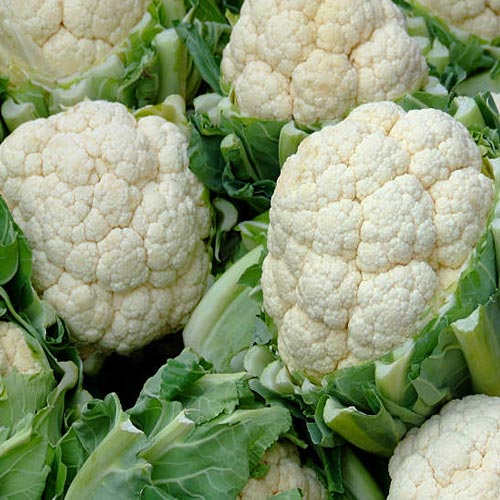
Cauliflower
- India is a major producer of cauliflower, cultivating a wide range of varieties across seasons for both fresh consumption and processing.
- Cauliflower is rich in vitamin C, vitamin K, folate, and fiber, offering benefits for immunity, bone health, and digestion.
- Common varieties include Pusa Snowball, Pusa Meghna, Improved Japanese, and Early Kunwari, prized for curd compactness and maturity duration.
- Major cauliflower-growing states are West Bengal, Bihar, Uttar Pradesh, Assam, Odisha, and Maharashtra, where cool-season conditions enhance yield.
- Cauliflower is primarily grown in the Rabi season (Oct–Feb), though early and late varieties are cultivated for extended availability.
- Indian cauliflowers are exported to markets like UAE, Bangladesh, Nepal, and Sri Lanka, mostly in fresh form.
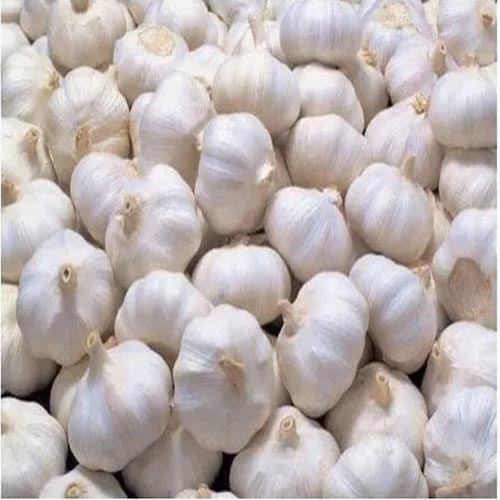
Garlic
- India ranks among the top producers of garlic, used widely in culinary, medicinal, and processing sectors.
- Garlic contains allicin, along with vitamin C, B6, and manganese, offering cholesterol-lowering and antimicrobial properties.
- Major varieties include Yamuna Safed (G-1), Agrifound White, and Ooty-1, known for bulb size, clove count, and pungency.
- Major garlic-producing states include Madhya Pradesh, Gujarat, Rajasthan, Uttar Pradesh, and Punjab.
- It is sown during October–November and harvested in March–April, thriving in cool climates and well-drained soil.
- Indian garlic is exported to Malaysia, Vietnam, UAE, Sri Lanka, and Bangladesh, both fresh and dehydrated.
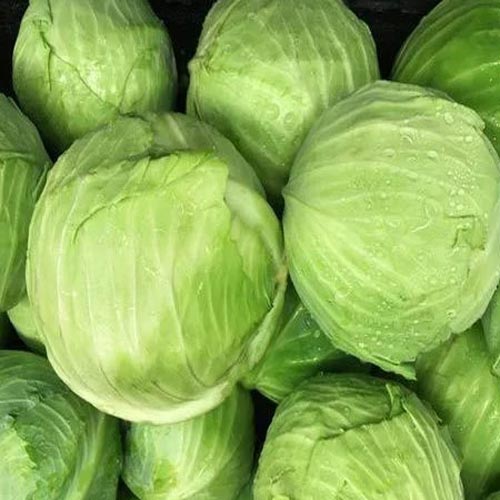
Cabbage
- India is a significant grower of cabbage, producing varieties suited for both fresh consumption and processing industries.
- Cabbage is rich in vitamin C, vitamin K, dietary fiber, and antioxidants that support digestion, immune function, and reduce inflammation.
- Common cabbage varieties cultivated in India include Pusa Drumhead, Golden Acre, Pride of India, and Copenhagen Market, valued for their tight heads and good shelf life.
- Major cabbage-growing states are West Bengal, Bihar, Odisha, Assam, Maharashtra, and Karnataka, where cool weather and well-drained soils improve quality.
- Cabbage is primarily grown in the Rabi season (October to February), requiring cool temperatures and adequate moisture for optimal growth.
- Indian cabbages are exported to countries such as the UAE, Nepal, Bangladesh, and Malaysia, mostly in fresh form for local and international markets.
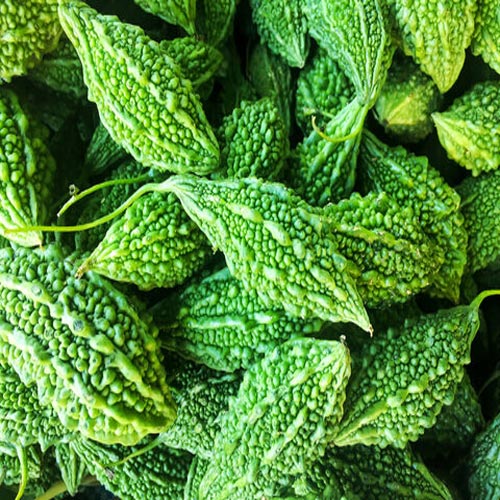
Bitter Gourd
- India is one of the top producers of bitter gourd, valued for its distinctive bitter taste and medicinal properties.
- Bitter gourd is rich in vitamin C, iron, fiber, and charantin, which helps regulate blood sugar levels.
- Popular varieties grown in India include Pusa Do Mausami, Coimbatore Long, Priya, and Phule Green Gold, known for high yield and fruit quality.
- Major bitter gourd-growing states are Uttar Pradesh, Bihar, Maharashtra, Karnataka, and Tamil Nadu, where warm and humid conditions favor growth.
- It is mainly grown during summer (February–March) and monsoon (June–July) seasons, with harvesting 60–70 days after sowing.
- Indian bitter gourds are exported to countries like the UAE, UK, Sri Lanka, and Malaysia, mainly as fresh vegetables.
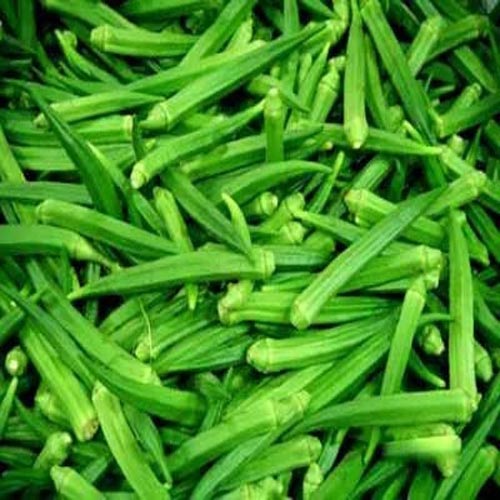
Okra(Bhindi)
- India is the largest producer of okra, widely consumed across the country and internationally.
- Okra is rich in vitamin C, vitamin K, folate, and dietary fiber, which aid digestion and support blood sugar regulation.
- Common varieties grown include Arka Anamika, Parbhani Kranti, Pusa Sawani, and Varsha Uphar, known for high yield and disease resistance.
- Major okra-growing states are Uttar Pradesh, Bihar, West Bengal, Odisha, Andhra Pradesh, and Gujarat, where warm climates favor growth.
- Okra is mainly grown during summer (February–March) and monsoon (June–July) seasons, with quick harvest cycles of 50–70 days.
- Indian okra is exported to countries like Nepal, UAE, UK, and Saudi Arabia, both fresh and frozen.
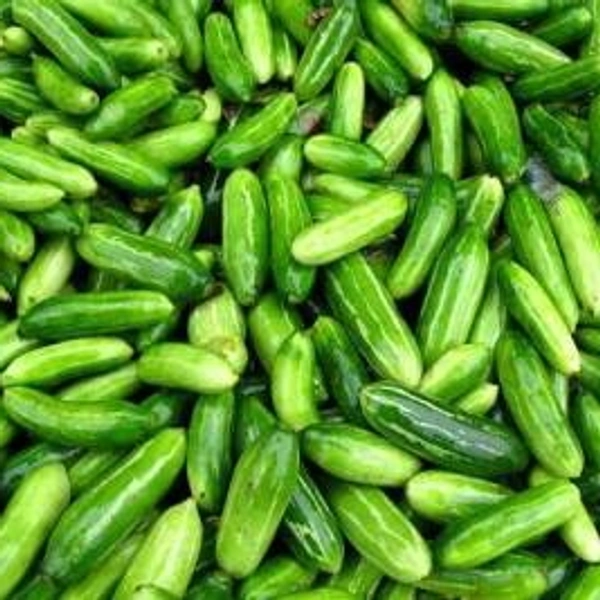
Ivy Gourd
- India is a major producer of ivy gourd (tindora), popular especially in southern and western regions.
- Ivy gourd is rich in beta-carotene, iron, and dietary fiber, supporting metabolism and blood sugar control.
- It is grown as a perennial vine crop, with varieties often region-specific rather than widely standardized.
- Major producing states include Kerala, Tamil Nadu, Karnataka, Andhra Pradesh, and Maharashtra.
- Cultivated year-round in warm, humid conditions, especially during summer and monsoon seasons.
- Ivy gourd requires trellising or support structures to maximize vine growth and fruit yield.
- Indian ivy gourd is exported to countries such as the UAE, UK, Malaysia, and Singapore, mostly in fresh form.
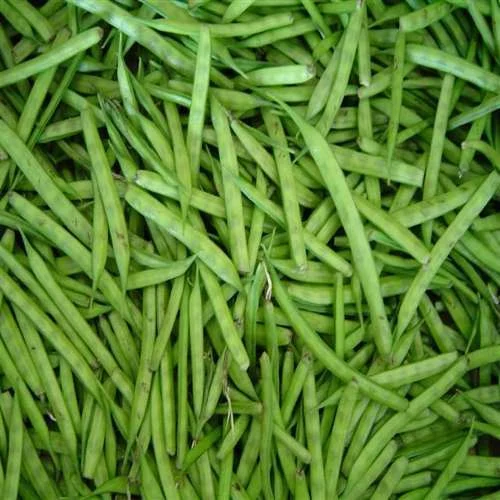
Cluster Beansi)
- India is the largest producer of cluster beans (guar), grown for both vegetable consumption and industrial guar gum extraction.
- Cluster beans are rich in fiber, folate, protein, and help regulate cholesterol and blood sugar levels.
- Popular varieties include Pusa Navbahar, Pusa Sadabahar, and Durga Bahar, known for high yield and pod quality.
- Major growing states are Rajasthan, Gujarat, Maharashtra, Haryana, and Andhra Pradesh, where semi-arid conditions prevail.
- Cultivated mainly during Kharif (June–July) and Rabi (September–October) seasons depending on the region.
- Cluster beans are drought-tolerant and suitable for water-scarce areas, making them valuable in dryland farming.
- Indian cluster beans are exported to countries like Sri Lanka, UAE, and Nepal, mainly as fresh vegetables.
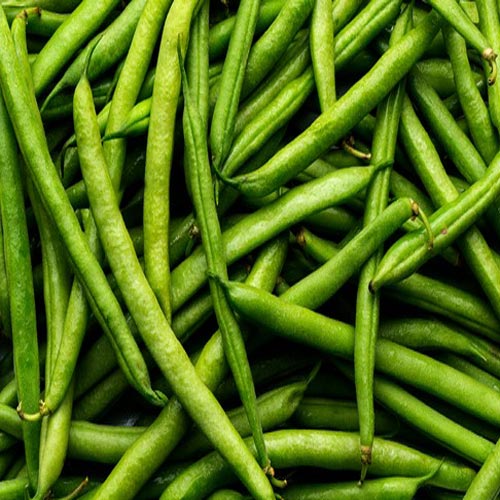
Green Beans
- India cultivates green beans (French beans) extensively for both domestic consumption and export markets.
- Green beans are rich in vitamin C, vitamin K, folate, and dietary fiber, promoting heart and bone health.
- Popular varieties include Arka Komal, Contender, Pusa Parvati, and Kashi Harit, known for tenderness and yield.
- Major producing states are Karnataka, Maharashtra, Tamil Nadu, Himachal Pradesh, and West Bengal, where moderate climates prevail.
- Grown mainly in Rabi and Kharif seasons, green beans require cool to moderate temperatures for best quality.
- Green beans require well-drained, fertile soils and consistent moisture for optimal pod development.
- Indian green beans are exported to countries such as the UAE, UK, Qatar, and Malaysia, mostly in fresh and frozen forms.
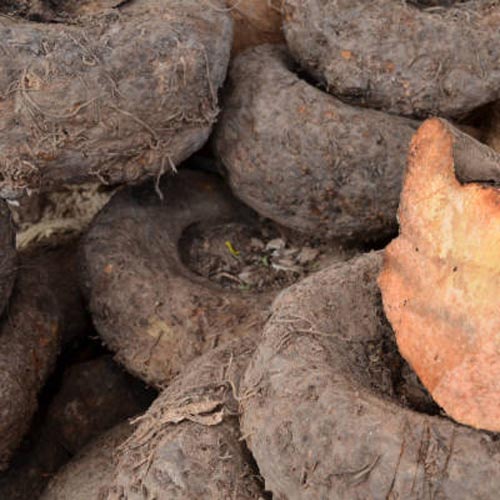
Elephant Yam (Suran)
- India is a major producer of elephant yam (suran), cultivated for both food and medicinal uses.
- Elephant yam is rich in dietary fiber, potassium, manganese, and antioxidants, supporting digestion and detoxification.
- Popular varieties include Gajendra, Sree Padma, Sree Athira, and Sree Shilpa, known for high yield and large tubers.
- Major growing states are Andhra Pradesh, Kerala, West Bengal, Bihar, Maharashtra, and Odisha, where warm and humid conditions prevail.
- Planted during April–May and harvested after 7–9 months, elephant yam requires well-drained soils.
- Elephant yam tubers are used fresh, boiled, or in processed forms, including chips and powders.
- Indian elephant yam is exported to countries like Sri Lanka, UAE, and Malaysia, mainly in fresh and processed forms.
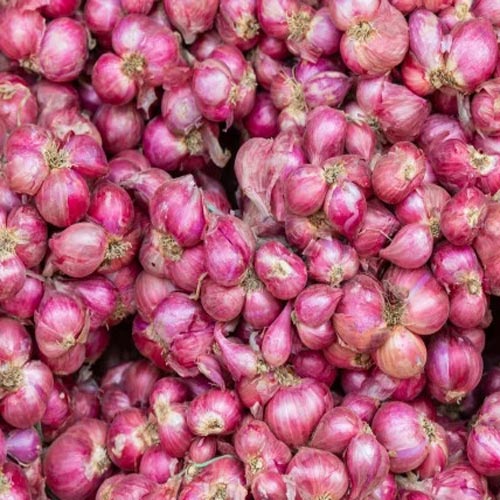
Shallots (small onions)
- India produces shallots (small onions) mainly in southern states, where they are an important culinary ingredient.
- Shallots are rich in antioxidants, sulfur compounds, vitamin B6, and support heart health and immunity.
- Cultivated using bulblets, major varieties include CO-1, CO-2, and Arka Bindu, known for flavor and yield.
- Key growing states are Tamil Nadu, Karnataka, and Andhra Pradesh, where mild climates favor production.
- Planted during September–October and harvested in January–March, with multiple cropping cycles in some areas.
- Shallots require well-drained, loamy soils and regular irrigation for optimal bulb development.
- Indian shallots are exported to countries like Malaysia, Singapore, UAE, and Sri Lanka, mostly in fresh or dried forms.
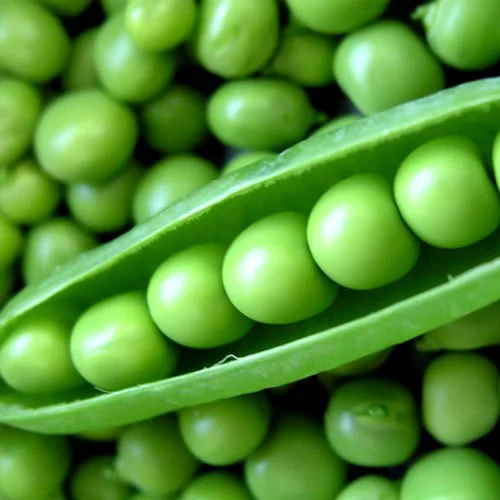
Green Peas
- India is a significant producer of green peas, consumed fresh, frozen, and processed in various food products.
- Green peas are rich in protein, vitamin K, vitamin C, and dietary fiber, supporting bone health and immunity.
- Popular varieties include Arkel, Bonneville, Kashi Nandini, and Azad Pea, known for yield and disease resistance.
- Major producing states are Uttar Pradesh, Punjab, Madhya Pradesh, Haryana, and Bihar, with ideal winter climates.
- Cultivated mainly during the Rabi season (October–November sowing; January–February harvest) for best quality.
- Green peas require cool temperatures and well-drained, fertile soils for optimal growth and pod development.
- Indian green peas are exported to countries like Nepal, UAE, UK, and Canada, mostly in frozen and fresh forms.